The Vermont Food Security Coalition
We are on the road to food security in Vermont
Vermont has the tools, knowledge, and resources to ensure that every person living here has sufficient, safe, and nutritious food every day.
We are working together to secure our food supply in a changing climate, address the social inequities that perpetuate poverty and hunger, and ensure that everyone in Vermont has access to abundant, culturally responsive food, with dignity.
The time to act is now. Join us!
Our shared goal is that all Vermonters will be food secure by 2035. Every Vermonter will have physical, financial, and social access to food that meets their needs, and supports their active and healthy life.
Creating food security for people in Vermont involves all aspects of daily life that influence our ability to eat nutritious, desirable food.
Food security will include reliable transportation, thriving farms, nearby grocers, stable homes with functional kitchens, and foods that meet our physical needs. It will include safety where we shop, language access, and foods that meet our dietary and cultural preferences. It will include a Vermont where everyone can meet all their basic human needs, and where food fits easily into our budgets.

Our Coalition
The Vermont Food Security Coalition launched in 2024. We are deeply integrated into one another’s work, aligning on our common goals to take collective action.
The Vermont Food Security Coalition is fully committed to all the goals, objectives, and strategies of the Vermont Food Security Roadmap to 2035, which you can explore below. The Roadmap shows us how to ensure everyone Vermont has the food they need. It provides shared action strategies to create food security. The strategies spring from statewide community feedback and expertise, and represent a mix of approaches to reach food security in Vermont. Following the Roadmap together, we take immediate, effective action to relieve food security crises now, and progress toward system changes that will ensure our collective food security in the future.
Everyone has a role to play on the journey to food security. Organizations interested in joining the Coalition on the road to food security can join us as Allies or Members. Allies are organizations that publicly support the Roadmap goals, objectives, and/or strategies. Ally organizations are interested in sharing information with the Coalition, and participating on the Coalition’s Roadmap projects that are related to their organization’s work. Allies can participate as much as feasible and strategic for their capacity and mission. Because of the level of work required, Coalition Membership is suited to organizations whose mission, strategy, and personnel are inherently aligned with Roadmap objectives and strategies, and able to commit personnel and other resources to Coalition efforts. Learn more about becoming a Coalition Ally or Member organization here.

There will be food security in Vermont when
Government ensures food security for all in Vermont
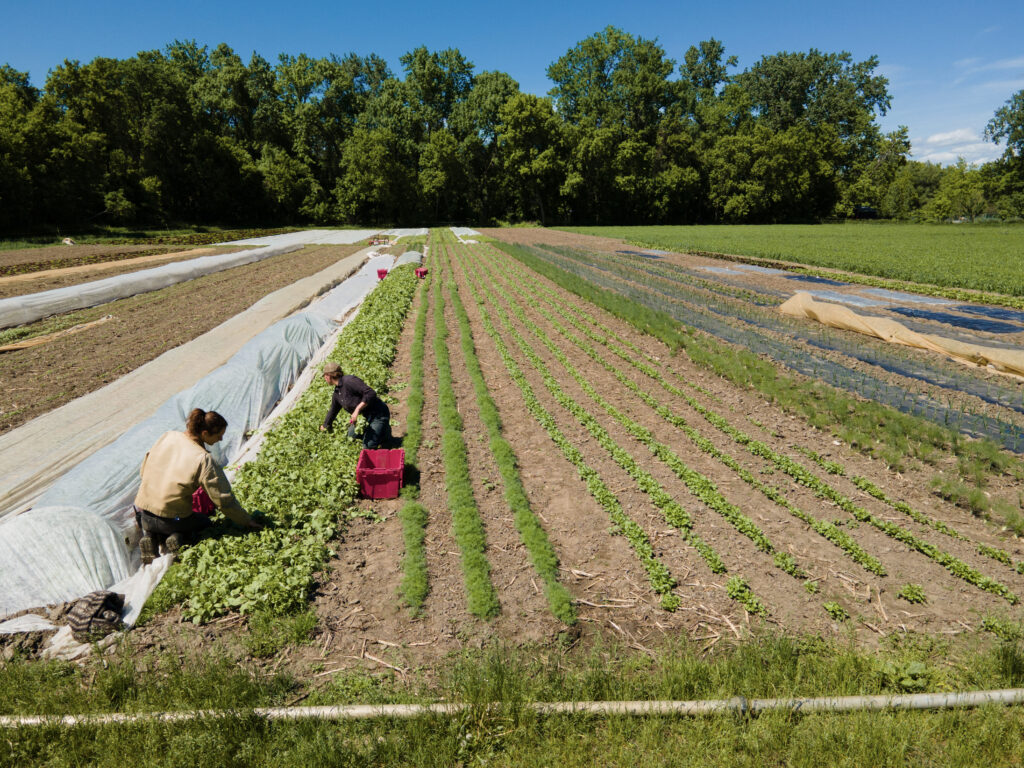
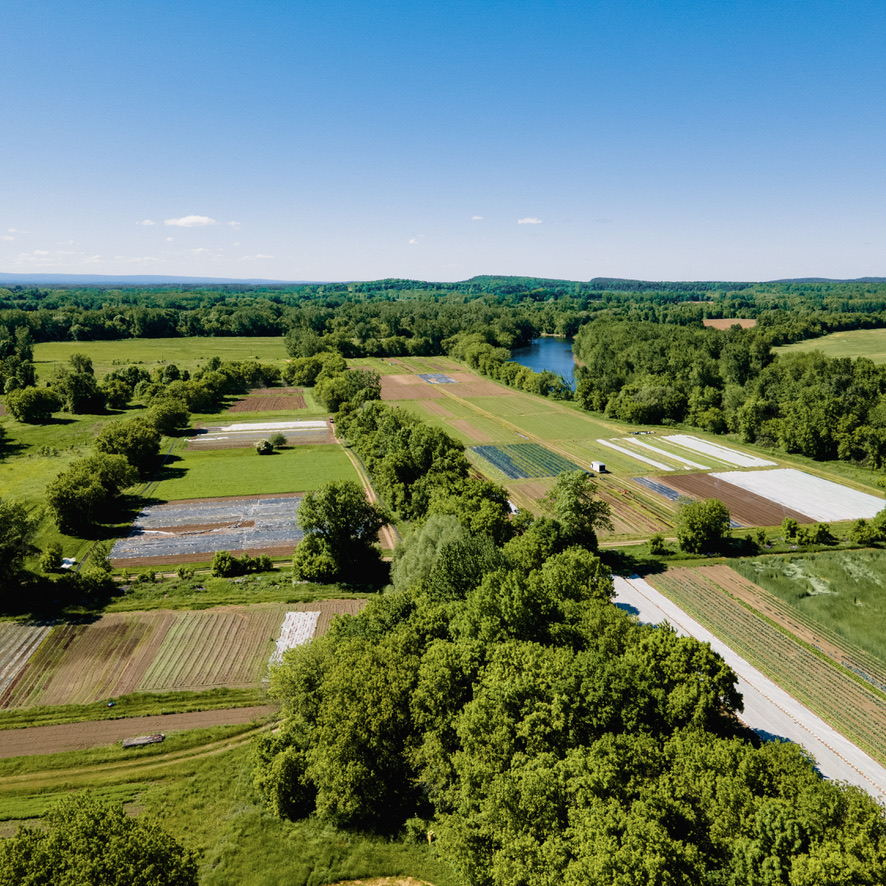
Vermont farms have the resources to be resilient
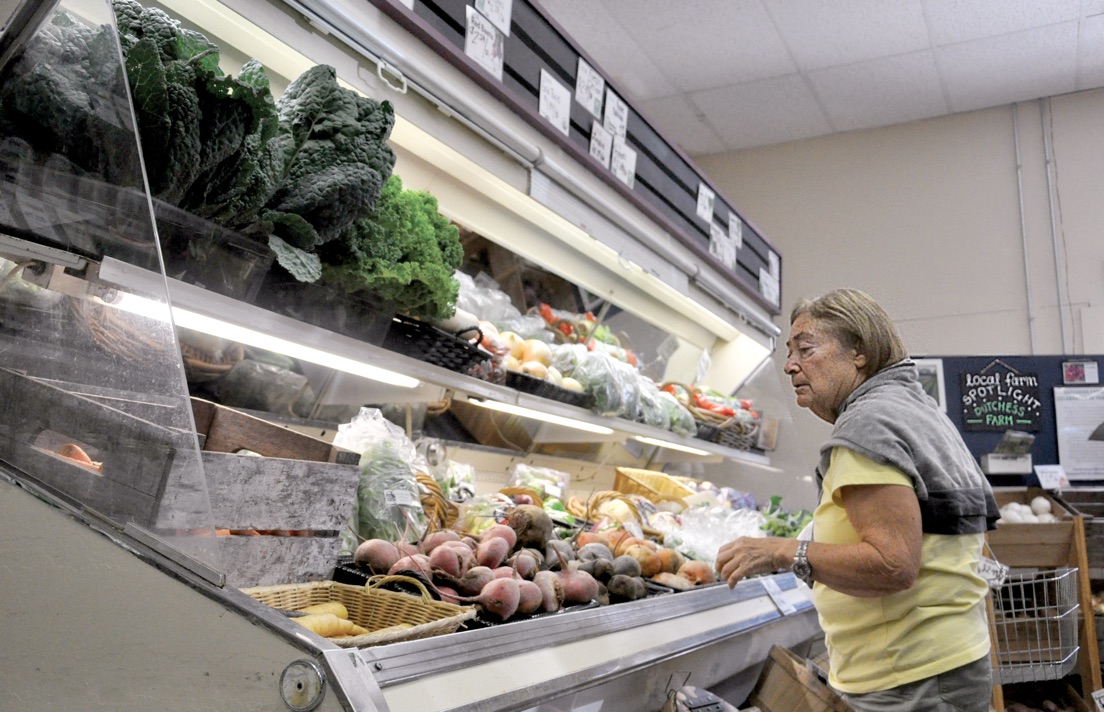
Communities have the tools to support food security
Our Work
Policy
The State of Vermont can make policy choices that will ensure food security for everyone who lives here. The Coalition supports the Vermont Legislature to evaluate and make policy choices that bring Vermont closer to permanent, equitable, food security for all.
During the 2025 Vermont General Assembly session, the Coalition advocated for the following policies. The progress of each policy is noted in bold.
- Fund the Vermont Foodbank’s appropriations request for $5,000,000.
- $500,000 for Vermonters Feeding Vermonters, $1,000,000 for Foodbank network partners, were allocated as one-time funding in the budget.
- Continue to support the Land Access and Opportunity Board so it can perform its statutory powers and duties for improving land and housing access among historically marginalized or disadvantaged communities.
- $1,631,582 base funding for the LAOB was agreed to in the budget
- Appropriate $20,000,000 for farm emergency recovery and resilience.
- The Farm Security Fund bill, S.60, was passed by the Senate and is now in committee in the House
- Convert $323,000 in one-time funding for Vermont 211 to base funding.
- The full amount was switched to base funding in the budget
- Increase public investment in Crop Cash (Plus) and Farm Share to $500,000 in base funding.
- $450,000 in one-time funding was committed to in the budget
- Pass legislation to implement the SNAP Restaurant Meals Program in VT, including staffing and local business prioritization.
- S.42 & H.151 were introduced and sent to committee, where testimony was heard
- Expand and increase the accessibility of the Vermont Earned Income Tax Credit and the Vermont Child Tax Credit.
- S.51, signed into law, increases the state Earned Income Tax Credit (EITC) by up to nearly $400 for Vermonters without dependents, helping more than 11,500 low-income workers. The bill extends Vermont’s $1,000 Child Tax Credit (CTC) from kids under 6 to under 7—an additional 4,500 kids.
Community Connections
Vermont’s ten Food Security Networks (previously known as Hunger Councils), focused on local efforts in regions across the state, are where nonprofit organizations and civic leaders can collaborate to improve food security. To find out more, and get involved in your local Food Security Network, visit Hunger Free Vermont’s website which includes contact information.
Coalition Member Organizations


Explore the Vermont Food Security Roadmap to 2035
Visit the Vermont Food Security: Roadmap to 2035 home page or explore the Roadmap goals and objectives using the links below.
Goal G: Government ensures food security for all in Vermont
| Objective G1 Financial Resources | Objective G2 Accessible Enrollment System | Objective G3 Office of Food & Nutrition Security | Objective G4 Emergency Response |
| Objective G5 Consistent Access to Food | Objective G6 Infrastructure Investment | Objective G7 Transportation Investment | Objective G8 Health Care |
Goal A: Vermont farms have the resources to be resilient
| Objective A1 Financial Support to Farmers | Objective A2 Conservation of Agricultural Lands | Objective A3 Agricultural Supply-Chain Investment | Objective A4 Equitable Farmland Access |
Goal C: Communities have the tools to support food security
| Objective C1 Town Planning | Objective C2 Local Collaboration | Objective C3 Local Food Access |